

Dental Bridge Cleaning and Maintenance: Essential Care Guide
Table of Contents
Daily Habits for a Healthy Dental Bridge
Dental Bridge Cleaning & Maintenance To keep up with daily care for your dental bridges, just brush with a soft-bristled toothbrush, use floss threaders or interdental brushes to clean beneath the bridge, and rinse with an antimicrobial mouthwash to reduce plaque. Performing these easy steps on a regular basis protects your investment and supports overall oral health.
At Parkside Dental Group, we believe caring for a bridge should feel manageable. Treating each patient as we would our own family, we focus on realistic habits you can fit into your day without stress. These habits matter because they prevent food particles from lodging under the bridge, reduce gum irritation, and help keep the supporting teeth strong. Without regular cleaning, bacteria buildup can jeopardize the bridge’s longevity. To put these habits into practice, having the right cleaning supplies on hand makes all the difference. A simple toolkit you can use morning and night sets the foundation for a healthy bridge and a confident smile.
Key Takeaways
- A regular tooth brush can clean most parts of our teeth but usually does not manage to get into the gaps behind a false tooth.
- Rinsing thoroughly after every meal is an essential step in daily dental bridge cleaning and maintenance.
- While brushing is essential for bridge care, a water flosser (such as a Waterpik) is the most effective tool for reaching the space beneath the pontic where regular bristles cannot go.
- Thorough brushing is a cornerstone of keeping your dental bridge in great shape.
- If you have a dental bridge with a false tooth, clearing plaque from beneath it each day helps protect the supporting teeth.
Preparing Your Bridge Cleaning Toolkit
A regular tooth brush can clean most parts of our teeth but usually does not manage to get into the gaps behind a false tooth. As the bacteria love to form on places the tooth bristle can’t reach, we have selected some accessories for the teeth bridges which make bridge cleaning more effective and more pleasant.
We recommend keeping these three essentials ready:
- Interdental brushes – These slim, cone-shaped brushes slide between teeth and along the gumline to remove plaque from the sides of the bridge and the abutment teeth. Their shape lets you access the tight spaces beneath connectors without irritating the gums.
- Floss threaders – This simple plastic needle guides floss under the bridge pontic so you can clean the area between the artificial tooth and the gum. By threading floss through, you lift away food particles and bacterial film that a brush cannot reach.
- Water flosser – A device that directs a pulsating stream of water around the bridge and gums, flushing out debris and massaging the tissue. A water flosser can be an easier alternative to threaders if you have limited dexterity or tender gums.
Now we’re set up and all we have to do is throw everything together in our daily maintenance box for the bridge, which will help keep it clean and comfy as needed.
Step 1: Assemble Your Daily Cleaning Supplies
Here we suggest you have on hand these few items: soft-bristle toothbrushes with small heads available locally, interdental brushes for those who live around here, a floss threader in Squamish, as well as a cup of warm water to rinse your mouth when you’re done with brushing and flossing. The soft toothbrush will clean the bridge without scratching, but won’t get inside the spaces that exist between the bridge and the gumline where plaque can hide out. The interdental brush will help you reach those tight areas. Floss threaders assist you in removing bits of food from under the pontic. And, lastly, a cup of warm water may be used to rinse the mouth between brushing and flossing to help wash away all this loose stuff.
These should be kept in a clean, dry container beside the sink in Squamish so that they can be used after eating. Check all the tools: replace the toothbrush or interdental brush if the bristles have lost their springiness, change the floss threader as soon as the thread starts to fray. Having put everything together, you’re ready for a thorough rinse, which is the next step in your daily routine.
Step 2: Rinse Thoroughly After Every Meal
Rinsing thoroughly after every meal is an essential step in daily dental bridge cleaning and maintenance. It washes away food debris that can collect around and under the restoration, helping to reduce plaque buildup and keep your gums healthy. We suggest using plain lukewarm water: take a sip, swish it gently around the mouth for about 30 seconds, and spit. Focus the swishing motion on the side with the bridge so that water flows underneath the artificial tooth. Make it a habit to rinse right after every meal and even after snacks, so debris doesn’t settle against the bridge. Avoid carbonated beverages like soda or sparkling water, because their acidity can weaken dental work—especially if you have a temporary bridge. If your dentist has recommended it, you can follow the water rinse with a short second rinse using a non-alcoholic mouthwash to further reduce bacteria and reach areas water may miss.
Step 3: Clean Under Your Bridge with a Waterpik
While brushing is essential for bridge care, a water flosser (such as a Waterpik) is the most effective tool for reaching the space beneath the pontic where regular bristles cannot go. In order to get to this area, put lukewarm water into the reservoir and begin with the lowest-pressure setting in order to protect gums. Angle the water tip against the gumline at 90 degrees and run it along each side of the bridge with a gentle sweeping motion. This should be performed daily (ideally at bedtime), when you finish flossing. Avoid turning up the pressure too soon. Be sure to pay special attention to those abutment teeth, because these keep the bridge stable. After cleaning this area under your bridge, brush the bridge and your natural teeth.
Step 4: Brush Your Bridge and Surrounding Teeth
Thorough brushing is a cornerstone of keeping your dental bridge in great shape. We recommend using a soft-bristled toothbrush with a non-abrasive fluoride toothpaste to protect both the bridge and your natural teeth. Angle the bristles toward the gumline and use gentle circular motions to clean the margins where the bridge meets the gums, removing plaque that can cause irritation and decay. Pay attention to the chewing surface of the bridge, brushing it just as you would a natural tooth, and carefully clean all surfaces of the abutment teeth — the teeth that support the bridge — down to the gumline your toothbrush can reach. Focus extra attention on the gumline around the abutment teeth, where bacteria can hide and lead to future issues. Consistency matters: making this a daily habit helps extend the life of your bridge. Once you’ve brushed all surfaces, flossing with bridge-specific aids will clean the tight spaces a toothbrush cannot reach.
Step 5: Floss Carefully with Bridge-Specific Aids
If you have a dental bridge with a false tooth, clearing plaque from beneath it each day helps protect the supporting teeth. If you skip that step, trapped food particles and plaque can irritate the gums and contribute to bad breath. To take care of a bridge, you need to floss underneath it at least once per day. If plaque isn’t removed over time, it can harden into tartar, which requires a professional cleaning to address. At that point you’d be wise to make an appointment for some professional tartar removal.
Floss threaders and super floss are designed to slide floss under the pontic. We gently guide the floss through the space with the threader, then work it along the gum line in a soft sawing motion. This cleans the side of the supporting tooth and the underside of the bridge. Taking care not to snap the floss keeps the gums comfortable.
Rinsing afterwards with water or mouthwash, we can wash away loosened debris and leave the area fresh.
Step 6: Rinse with an Antibacterial Mouthwash
Once you’ve completed flossing beneath your bridge, using an antibacterial mouthwash helps wash away anything loose from flossing and lessens bacterial load. Select a non-alcohol-based mouthwash that will not irritate the gum tissue near the bridge and follow the instructions on the bottle, usually, swish for about thirty seconds, and be sure to spit out instead of swallowing. This step doesn’t replace brushing or flossing. It’s simply another way of getting things clean in your mouth. Rinsing last thing at night, straight after flossing and brushing, gives the antibacterials some time to work overnight. However, this shouldn’t be relied upon as your main cleaning technique. Regular dental check-ups help us keep tabs on your bridge and deal with any issues early.
 Swish antibacterial mouthwash gently for the time directed on the label
Step 7: Keep Your Routine Dental Checkups
Having regular dental checkups provides you with the professional oversight that will keep a dental bridge in good working condition for several years. Even when you’re careful about taking care of your teeth yourself, the most thorough at-home routine still benefits from a trained eye, and our team uses these visits to examine your bridge for early signs of wear, any subtle looseness, or gum inflammation that might otherwise go unnoticed.
Our professional cleaning reaches the plaque and tartar that build up around and beneath a bridge, areas where even careful brushing and flossing can fall short. Plaque and tartar may start collecting between and underneath the bridgework in places that you can’t get to when brushing and flossing alone. We include this level of preventive care as part of the family dentistry services offered at our Squamish dental office.
You can call to make another appointment earlier if you notice any change in how your bridge fits or feels between appointments; booking an earlier evaluation lets us address small adjustments. This lets us fix small issues before they worsen. This can also give you peace of mind as you move forward with your daily care.
Overcoming Common Bridge Cleaning Difficulties
Although keeping your bridge clean takes a little more attention than caring for natural teeth, once you know what to expect the daily routine becomes second nature. We often find that clients get frustrated when bits of food get stuck under their bridge between the false tooth and gum tissue. Rinse your mouth with water after meals and gently brush along the gumline to help dislodge debris before it can cause odor or irritation.
If you have a dental bridge, flossing under your bridge may be tricky because the connected false teeth block the usual path floss would take. If you don’t have access to that part with typical floss, a floss threader helps to get that regular floss between your bridge and gums in order to reach places you might otherwise overlook. Some patients find a water flosser more useful when trying to flush out what they didn’t catch while brushing, particularly if their abutments hold up the bridge.
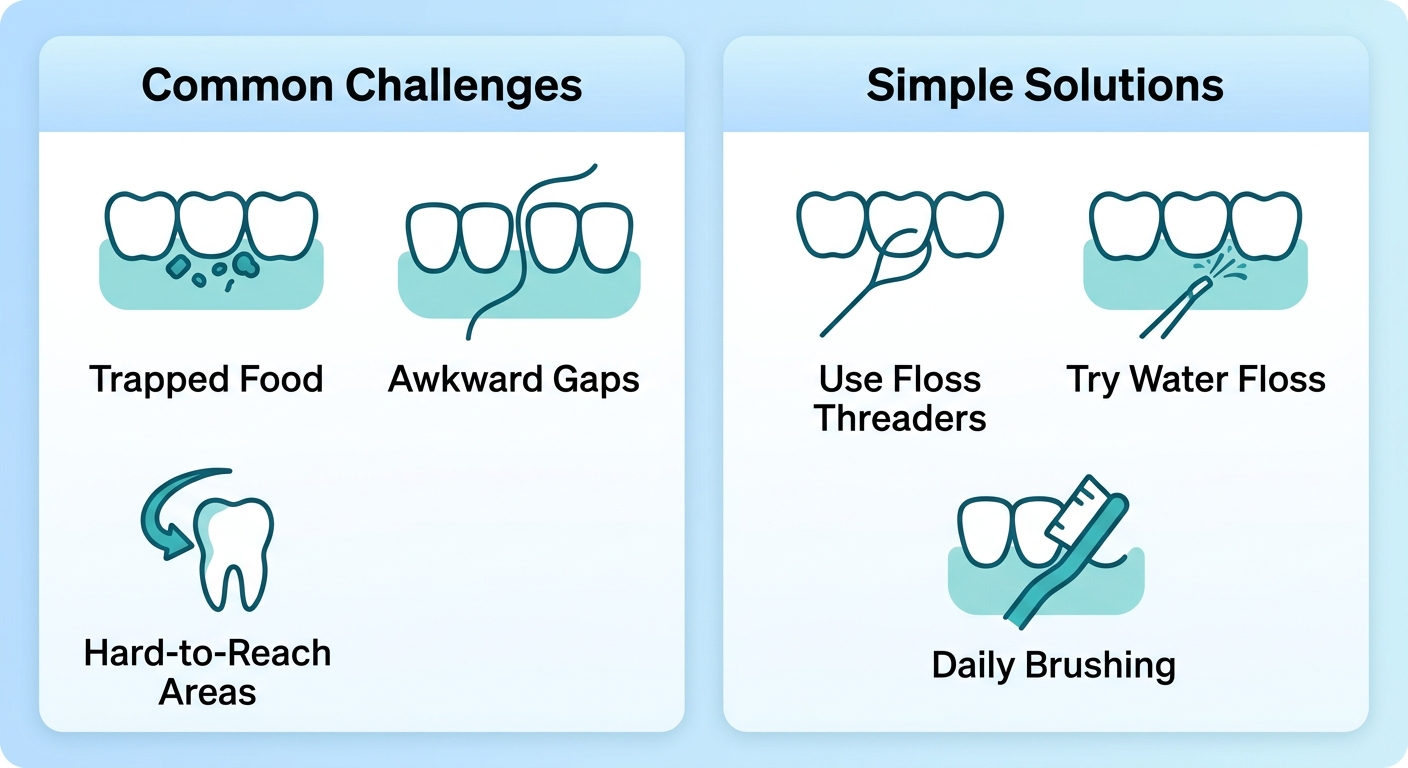
Cleaning the backsides of your bridge takes some getting used to, but if you angle a soft-bristled toothbrush in that direction for a little while, this too shall pass. These are the little things that really keep bridges from causing problems over time, whether they’re in the front of your mouth or the back.
Sustaining Your Bridge Health for Years to Come
Once the daily cleaning obstacles are understood and solved, consistent care continues to reward you with a comfortable, long-lasting restoration. Thoughtful dental bridge cleaning and maintenance doesn’t just protect your investment — it safeguards the neighboring teeth and gums that support your smile every day.
Keep flossing with threaders or soft picks around the abutment teeth and watch for early signs of food traps or gum irritation. Pair that home routine with regular professional checkups at Parkside Dental Group so our team can catch small concerns before they become costly repairs. A well-maintained bridge can serve you beautifully for many years when preventive habits stay in place.
Our team would love to support your bridge health journey. Reach out to book your next cleaning and let us help you enjoy a confident, worry-free smile.
Schedule Your Bridge Checkup
Now that you have learned the essential steps for daily dental bridge cleaning and maintenance, it’s important to complement your home care with regular professional checkups. Routine dental visits allow your dentist to inspect your bridge for signs of wear, remove plaque and tartar that at-home tools may miss, and ensure your gums stay healthy. Our comprehensive preventive care services in Squamish are designed to support your oral health for years to come. Regular cleanings every six months can help catch small issues before they become costly problems. By combining your dedicated daily routine with professional oversight, you can protect your investment and maintain a confident smile. Reach out to our friendly team to schedule your next appointment. We look forward to helping you sustain your bridge health.


